Moto Retro Illustrated Auto Self-Driving Cars: How Close Are We Really?

Self-Driving Cars: How Close Are We Really?

The idea of a car that drives itself has captured our imagination for decades, from futuristic movies to tech headlines promising a hands-free commute. But how close are we to seeing self-driving cars as a normal part of daily life? While the technology has made remarkable strides, there are still hurdles—technical, legal, and ethical—that determine how soon fully autonomous vehicles will become mainstream. Understanding the current landscape helps us separate hype from reality.

Levels of Autonomy

Autonomous driving isn’t a single step—it’s a spectrum. The Society of Automotive Engineers defines levels from 0 to 5, ranging from no automation to full autonomy. Most cars on the road today fall between Levels 1 and 3, offering features like lane-keeping, adaptive cruise control, and hands-on monitoring. True Level 5 autonomy—vehicles that can operate without human intervention under all conditions—remains the ultimate goal, but it’s still some way off due to the complexity of real-world driving.

Advances in Sensor Technology

Self-driving cars rely on a combination of cameras, radar, lidar, and advanced software to perceive the world around them. Lidar, in particular, creates detailed 3D maps that help the car “see” objects with remarkable precision. Advances in sensor technology and artificial intelligence have made autonomous systems more capable than ever, allowing cars to navigate highways, urban streets, and even complex intersections. However, sensors still struggle in extreme weather or unusual scenarios, highlighting one of the key challenges to full autonomy.

Real-World Testing
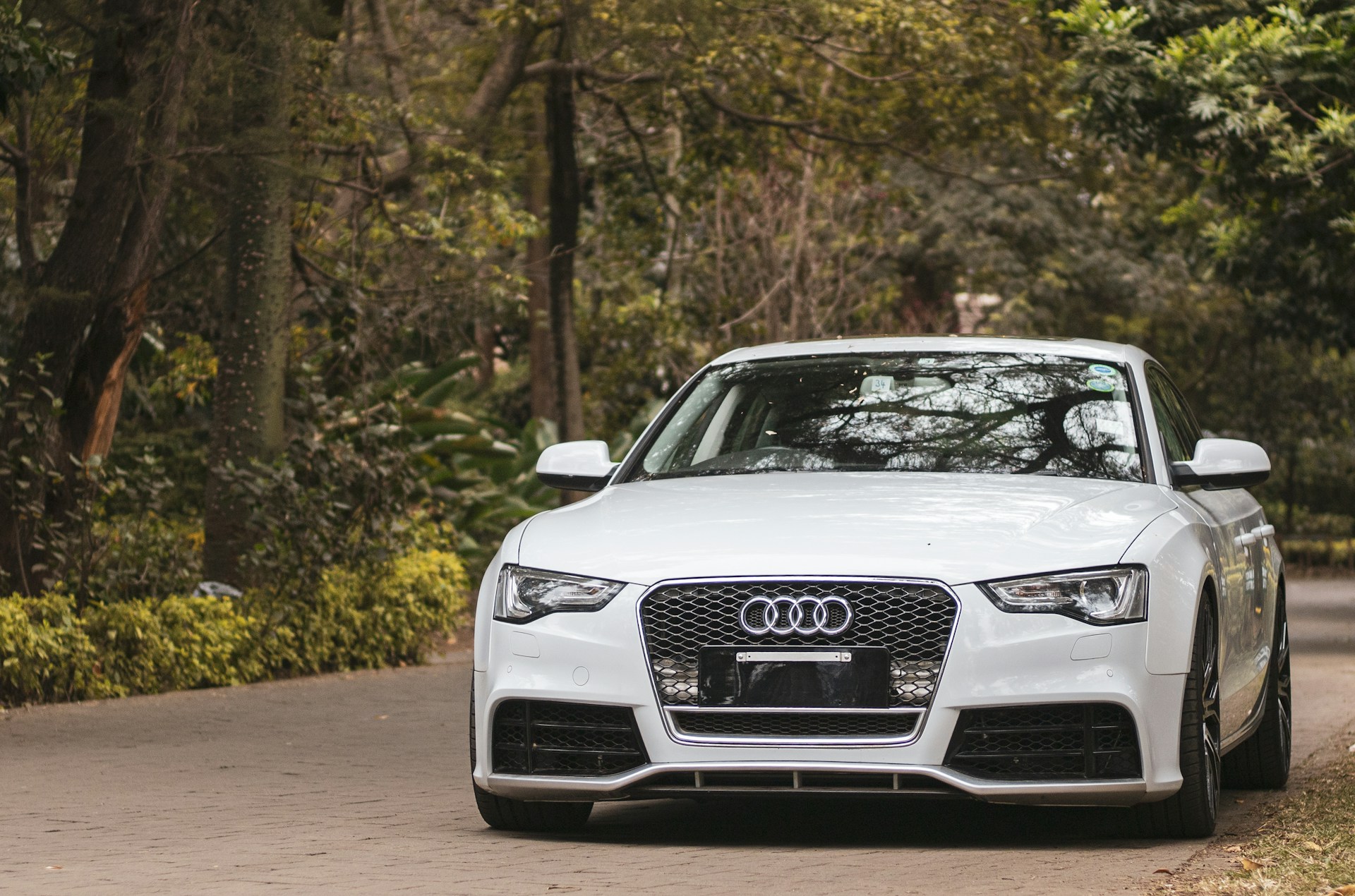
white

Companies like Waymo, Tesla, Cruise, and others are testing autonomous vehicles on public roads, logging millions of miles to refine their systems. These tests are crucial for understanding how self-driving cars handle unpredictable traffic, pedestrians, and construction zones. While testing demonstrates progress, it also exposes the limits of current technology. Every accident or unexpected scenario helps engineers improve safety, but it also reminds us that self-driving cars aren’t infallible yet.

Legal and Regulatory Hurdles

Even if the technology were perfect, self-driving cars face a web of legal and regulatory challenges. Governments must create rules governing liability, insurance, and data privacy for autonomous vehicles. Regulations vary widely between countries and even states, complicating the rollout of fully driverless systems. Until legal frameworks catch up with technology, widespread adoption will remain limited, particularly in areas where human-driven and autonomous vehicles share the road.

Public Trust and Adoption

Technology adoption isn’t just about capability—it’s about trust. Surveys suggest many people are hesitant to ride in fully autonomous cars, fearing accidents or system failures. Building confidence will require proven safety records, transparency about decision-making algorithms, and incremental exposure to autonomous systems. Early adoption may occur in controlled environments, like ride-hailing fleets or corporate campuses, before reaching broader consumer markets.

The Road Ahead

The timeline for fully self-driving cars is uncertain. Experts estimate that widespread Level 5 autonomy could take another decade or more, depending on technological breakthroughs, regulatory approvals, and public acceptance. In the meantime, partial automation features will continue improving, making driving safer and more convenient without completely replacing human drivers. The journey to autonomous vehicles is gradual, blending innovation with caution.

Self-driving cars are closer than ever, but we’re not quite at the fully autonomous future imagined in sci-fi films. Progress in sensors, AI, and testing has been impressive, yet challenges remain in technology, law, and public trust. While hands-free commuting may soon become a reality in certain controlled settings, a world of fully autonomous cars sharing the road safely with humans is still a work in progress. Patience, cautious innovation, and smart regulation will shape the road ahead for autonomous driving.


Related Post

jockey wheel

Considerations When Buying Jockey WheelsConsiderations When Buying Jockey Wheels

Having the perfect jockey wheel can be a vast difference between trailers that are easy to use, move around, and maneuver and the ones that are unpleasant to use. If you want to replace your Jockey Wheels, there are various aspects you need to consider to make the recommended purchasing decision. Without the excellent tips, it will be challenging to make a perfect choice.

When buying jockey wheels, you need to spare your time and find the best tips to find quality wheels. In reality, these wheels play a vital role in your trailer, and you need to take your time and go for quality wheels. Depending on your needs, make sure you understand the right trailer wheels that will suit your trailer. Therefore, here are some of the tips you need to consider when choosing jockey wheels.

Types of Jockey Wheels

Before you invest in these wheels, one of the essential things you need to do is understand the suitable wheels available. In reality, a fixed or standard wheel should be either pneumatic or solid. Therefore, it is crucial to note that you will get two types of jockey wheels in the market.

Depending on your goals, you need to consider investing in a quality wheel containing the components you need. For instance, when replacing these wheels, if your jockey had a solid tyre, this means that you might not need to buy a pneumatic. Ensure you know to determine the tyre; you need to understand the features you should consider.

Check the Right Size

When buying these wheels for your trailer, there are two main sizes you need to consider. In this case, you need to measure the diameter and both the closed and open height. But the diameter of your jockey wheel will determine the usage, weight, and size of your trailer. So, for example, if you have a larger trailer, you will need larger wheels.

wheel

Wheel Dimensions

Another buying element you need to know in this process is the wheel dimensions. The sleeve wheel width is one of the essential measurements you need to take from your old wheel. By doing this, it will be easy to make the proper selection and choose the best wheel for your trailer.

Pricing

Lastly, you need to determine the amount of money you are willing to spend on your trailer’s wheel. Depending on the type you want, ensure you compare the cost of various online stores before making the right purchasing decision. But ensure you buy quality and durable wheels at a reasonable price.

white car

4 Car Modifications That Add Value and Style4 Car Modifications That Add Value and Style

Your car doesn’t have to stay in stock forever. Smart modifications can transform both its appearance and market appeal while keeping your wallet happy. The key lies in choosing upgrades that serve dual purposes – looking fantastic while boosting your vehicle’s worth. Let’s explore four modifications that deliver serious bang for your buck.

Performance Exhaust Systems

car

A quality exhaust system does more than just sound impressive. It improves your engine’s breathing, potentially adding horsepower and torque while creating that satisfying rumble every car enthusiast craves. Modern performance exhausts feature advanced engineering that balances sound levels with neighbor-friendly operation. You’ll notice improved throttle response almost immediately after installation. The visual appeal of polished tips and sleek piping adds a professional touch that screams quality craftsmanship. Buyers often pay premium prices for vehicles with well-chosen exhaust upgrades, making this modification a smart investment that pays dividends at resale time.

Cold Air Intake Systems

Cold air intakes work by feeding your engine cooler, denser air that contains more oxygen molecules. This simple physics principle translates into better combustion and increased power output across the RPM range. Installation typically takes less than an hour, making it one of the most accessible performance modifications available. The aesthetic transformation under your hood is equally impressive, replacing bland factory plastic with eye-catching metal and carbon fiber components. Engine bay appearances matter more than most people realize, especially when potential buyers pop the hood during inspections. A quality cold air intake signals that the owner cares about performance and maintenance, often justifying higher asking prices.

Alloy Wheel Upgrades

car

Nothing transforms a car’s appearance quite like the right set of wheels. Lighter alloy wheels reduce unsprung weight, improving acceleration, braking, and handling characteristics across the board. The variety of styles available means you can match virtually any aesthetic preference, from classic spoke designs to modern split-spoke patterns. Proper sizing maintains factory speedometer accuracy while potentially accommodating larger brake components for enhanced stopping power. Quality wheels from reputable manufacturers hold their value exceptionally well, often retaining 60-70% of their original cost. Smart buyers recognize premium wheel packages as indicators of an owner who invests in quality components rather than cheap alternatives.

Lowering Springs or Coilovers

Dropping your car’s ride height creates an aggressive stance that immediately catches attention. Lowering springs offer a cost-effective way to achieve this look while maintaining reasonable comfort for daily driving. Coilovers provide adjustability that lets you fine-tune both height and damping characteristics to match your driving style. The handling improvements are substantial – reduced body roll, better cornering grip, and more precise steering feedback transform your driving experience. Visual impact is equally dramatic, eliminating unsightly wheel gaps and creating that coveted “planted” appearance. Quality suspension modifications consistently rank among the most desirable features for performance-oriented buyers.

These four modifications prove that style and substance can coexist beautifully in automotive upgrades. Each option delivers measurable performance benefits while enhancing your vehicle’s visual appeal and market value. The secret lies in choosing quality components from established manufacturers rather than chasing bargain-basement alternatives. Remember that installation quality matters just as much as the parts themselves – professional installation protects your investment and maximizes both performance gains and resale value. Your car becomes a reflection of your personality and attention to detail, while these smart modifications help protect your financial investment for years to come.

car

The Top Reasons Why Car Interior Detailing Is Essential for Maintaining Your VehicleThe Top Reasons Why Car Interior Detailing Is Essential for Maintaining Your Vehicle

Car interior detailing is a vital aspect of vehicle maintenance that often gets overlooked. Keeping your car’s interior clean and well-maintained not only improves its aesthetics but also plays a significant role in prolonging its lifespan and enhancing your overall driving experience. In this article, we will explore the top reasons why professional interior detailing is essential for maintaining your vehicle.

Preservation of Interior Surfaces

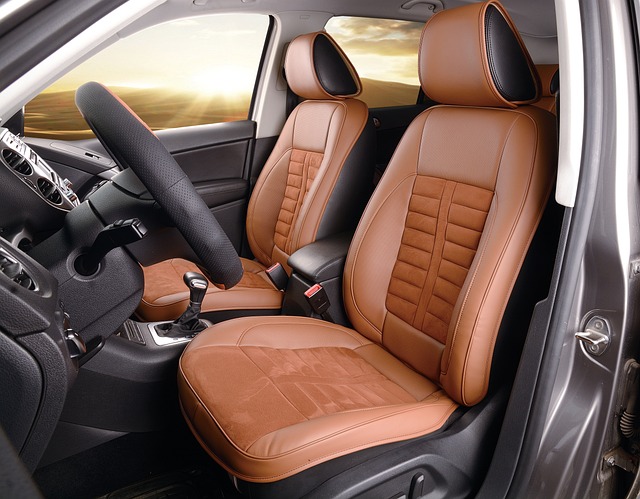
Regular interior detailing helps protect various surfaces inside your car, such as leather, vinyl, plastic, and fabric, from wear and tear. By cleaning and conditioning these surfaces, you prevent them from cracking, fading, or deteriorating over time, thus maintaining the overall value of your vehicle.

Health and Hygiene

A clean car interior is not just visually appealing but also lead to a healthier driving environment. Dust, dirt, and debris accumulation can harbour harmful germs, bacteria, and allergens, leading to potential health risks for you and your passengers. Thorough interior detailing, including vacuuming, sanitizing, and deodorizing, helps eliminate these contaminants and promotes a hygienic atmosphere inside your vehicle.

car

Enhanced Comfort and Enjoyment

Cluttered and dirty interiors can be distracting and uncomfortable, affecting your driving experience negatively. A well-detailed car interior not only looks inviting but also creates a more pleasant and relaxing ambience for both short commutes and long journeys. Clean seats, fresh-smelling air, and organized compartments can make your time spent in the car more enjoyable.

Prevention of Stains and Odors

Spills, stains, and lingering odours are common issues that can plague a neglected car interior. Promptly addressing these issues through detailing can help prevent permanent damage to your upholstery and carpets, as well as eliminate unpleasant smells caused by spills, food particles, or mildew. Professional detailing services have the expertise and tools to tackle tough stains and odours effectively.

Resale Value

Lastly, a well-maintained interior significantly contributes to the resale value of your vehicle. Potential buyers are likely to be attracted by a clean and meticulously cared-for interior, reflecting positively on the overall condition of the car. Investing in regular interior detailing not only benefits you while you own the vehicle but also pays off when it comes time to sell or trade it in. In conclusion, car interior detailing is an important aspect of vehicle maintenance that has numerous benefits beyond just cleanliness and appearance. By preserving interior surfaces, promoting health and hygiene, enhancing comfort, preventing stains and odours, and boosting resale value, regular detailing helps you protect your investment and enjoy a superior driving experience. Make interior detailing a priority in your car care routine to reap these advantages and keep your vehicle in top condition for years to come.