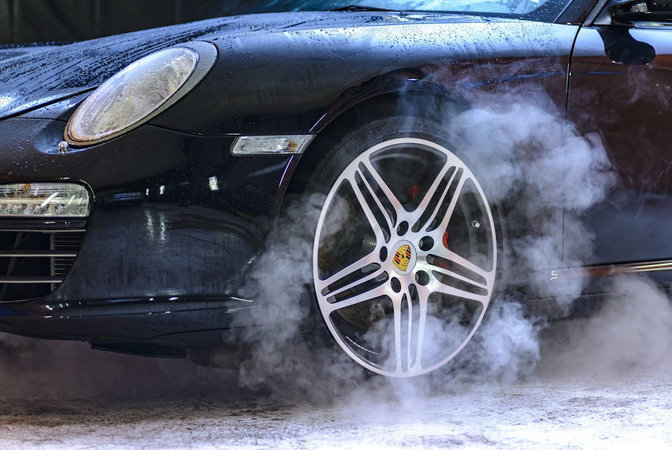
Moto Retro Illustrated Auto The Top Reasons Why Car Interior Detailing Is Essential for Maintaining Your Vehicle

The Top Reasons Why Car Interior Detailing Is Essential for Maintaining Your Vehicle

Car interior detailing is a vital aspect of vehicle maintenance that often gets overlooked. Keeping your car’s interior clean and well-maintained not only improves its aesthetics but also plays a significant role in prolonging its lifespan and enhancing your overall driving experience. In this article, we will explore the top reasons why professional interior detailing is essential for maintaining your vehicle.

Preservation of Interior Surfaces

Regular interior detailing helps protect various surfaces inside your car, such as leather, vinyl, plastic, and fabric, from wear and tear. By cleaning and conditioning these surfaces, you prevent them from cracking, fading, or deteriorating over time, thus maintaining the overall value of your vehicle.

Health and Hygiene

A clean car interior is not just visually appealing but also lead to a healthier driving environment. Dust, dirt, and debris accumulation can harbour harmful germs, bacteria, and allergens, leading to potential health risks for you and your passengers. Thorough interior detailing, including vacuuming, sanitizing, and deodorizing, helps eliminate these contaminants and promotes a hygienic atmosphere inside your vehicle.
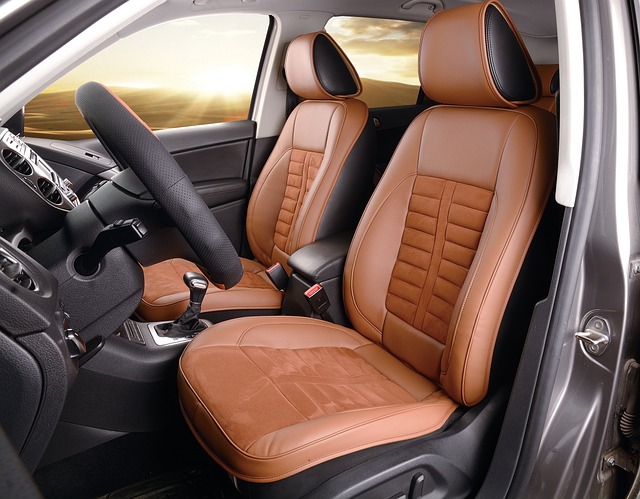
car

Enhanced Comfort and Enjoyment

Cluttered and dirty interiors can be distracting and uncomfortable, affecting your driving experience negatively. A well-detailed car interior not only looks inviting but also creates a more pleasant and relaxing ambience for both short commutes and long journeys. Clean seats, fresh-smelling air, and organized compartments can make your time spent in the car more enjoyable.

Prevention of Stains and Odors

Spills, stains, and lingering odours are common issues that can plague a neglected car interior. Promptly addressing these issues through detailing can help prevent permanent damage to your upholstery and carpets, as well as eliminate unpleasant smells caused by spills, food particles, or mildew. Professional detailing services have the expertise and tools to tackle tough stains and odours effectively.

Resale Value

Lastly, a well-maintained interior significantly contributes to the resale value of your vehicle. Potential buyers are likely to be attracted by a clean and meticulously cared-for interior, reflecting positively on the overall condition of the car. Investing in regular interior detailing not only benefits you while you own the vehicle but also pays off when it comes time to sell or trade it in. In conclusion, car interior detailing is an important aspect of vehicle maintenance that has numerous benefits beyond just cleanliness and appearance. By preserving interior surfaces, promoting health and hygiene, enhancing comfort, preventing stains and odours, and boosting resale value, regular detailing helps you protect your investment and enjoy a superior driving experience. Make interior detailing a priority in your car care routine to reap these advantages and keep your vehicle in top condition for years to come.

Related Post

mechanic

3 Ways to Find Reliable Car Mechanics and Repair Shops3 Ways to Find Reliable Car Mechanics and Repair Shops

When your car breaks down, it can be a major headache. You have to find a reputable car mechanic who can fix the problem and not charge an arm and a leg. How do you find one of these mechanics? And once you’ve seen them, how do you know that they are reliable? West End Car Mechanics will discuss three ways to find reliable car mechanics and repair shops. Read on to learn more!

Check for Certification

car tiresOne way to determine if a car mechanic is reliable is to check for certification. Many mechanics undergo rigorous training and testing to become certified. This means they have the knowledge and skills necessary to fix your car correctly. A certificate can also indicate how long a mechanic has practiced their trade. You have to ensure that the mechanic is certified by a reputable organization, such as the National Institute for Automotive Service Excellence (ASE). If you are not sure if a mechanic is certified, be sure to ask them. They should be more than happy to show you their certification.

Find a Shop for Your Brand of Car

If you have a particular car brand, it is best to find a mechanic who specializes in that type of car. They will be more familiar with the specific problems and quirks that come with that make and model. You must find a mechanic who is familiar with the brand of your car, as they may not be able to fix it if they are not properly.

Ask About Warranties

garageAnother way to determine if a car mechanic is reliable is to ask about warranties. A good mechanic will stand behind their work and offer a warranty on any repairs that they perform. This gives you peace of mind knowing that they did the repair properly and that you are covered in case of any problems down the road.

It can be tough finding a good, reliable car mechanic. But with these 3 tips, you’re on your way to finding one that’s right for you and your car. Remember that not all mechanics are created equal, so it’s essential to research before taking your car in for service. If you have any questions or need help finding a reputable mechanic in your area, don’t hesitate to reach out to us. We’re here to help! Have you had a great experience with a mechanic that you think we should know about? Let us know in the comments below.

car

Hydroplaning Prevention: Tips to Stay Safe in Wet Weather DrivingHydroplaning Prevention: Tips to Stay Safe in Wet Weather Driving

Picture this: you’re cruising down the road on a rainy day, raindrops pitter-pattering against your windshield. Suddenly, you feel a loss of control as your car starts to slide and drift. It’s an unsettling feeling – hydroplaning. Wet weather driving can be treacherous if you’re not prepared. But fear not. In this blog post, we’ll share some handy tips to keep you safe on such a wet road and prevent hydroplaning.

Maintain Proper Tire Tread Depth and Keep the Tire Well-Inflated

carWhen it comes to preventing hydroplaning, two of the most crucial factors are maintaining proper tire tread depth and keeping your tires well inflated. Why is this so important? Well, let me break it down for you. First off, let’s talk about tire tread depth.

The grooves on your tires are basically designed to properly channel water away from the contact patch between the tire and the road. This helps maintain traction even in wet conditions. Over time, however, these grooves can wear down, reducing their effectiveness. That’s why it’s essential to regularly check your tread depth and replace your tires if they’re worn out.

In addition to tire tread depth, proper inflation is equally vital in wet-weather driving. Underinflated tires have more surface area in contact with the road, which increases the risk of hydroplaning. On the other hand, overinflated tires reduce traction by decreasing the amount of rubber that comes into contact with the road surface.

Reduce Speed in Wet Conditions

Aside from ensuring the good condition of the tires, you also need to keep your speed stable and low. Why? Well, when the roads are wet, there is less traction between your tires and the road surface. This means that it takes longer for your vehicle to stop or maneuver safely. By reducing your speed, you give yourself more time to react and adjust to changing conditions. It also allows for better control of your vehicle as you navigate through puddles or slippery areas. So, next time it’s raining cats and dogs outside, take a deep breath and slow down.

Avoid Sudden Movements

When driving in wet weather conditions, it’s crucial to avoid sudden movements behind the wheel. Why? Well, sudden movements can disrupt the traction between your tires and the road surface, increasing the risk of hydroplaning. First and foremost, resist the urge to slam on your brakes if you need to slow down or stop. In addition, refrain from making quick turns or abrupt lane changes. Moreover, be mindful of how you accelerate in wet conditions. Avoid stomping on the gas pedal, as this could result in a loss of tire grip and potentially send your vehicle into a dangerous slide.

Drive in the Tracks of the Car Ahead

carDid you know that when you follow closely behind another vehicle, your tires have the advantage of utilizing their already-displaced water? What does it mean? This can give awesome assistance in reducing the risk of losing traction and sliding.

But note that this doesn’t mean you should ever tailgate other cars at a little distance. Check out the giovanni’s room summary to get a glimpse of how to do it properly. By driving in these tracks, you essentially benefit from the “paved” path created by the preceding car. The grooves left by their tires allow for better water dispersion, enabling more contact between your own tires and the road surface. However, it’s important to exercise caution when implementing this technique. Keep a safe distance from the vehicle in front to avoid any sudden braking or unexpected maneuvers that may result in an accident. Also, remember that this method is most effective at lower speeds; maintaining an appropriate speed for conditions is essential.

Being aware of the risks associated with hydroplaning is essential for safe driving during wet weather conditions. By keeping these tips in mind and adjusting your driving habits accordingly, you can stay safe on the road even when Mother Nature throws rain showers your way.

classic cars

Top Four Iconic Cars That Rocked the Big Screen: Automotive LegendsTop Four Iconic Cars That Rocked the Big Screen: Automotive Legends

When it comes to iconic movies, there is often a vehicle that steals the spotlight and captures our hearts. From time-traveling DeLoreans to sleek Aston Martins with hidden gadgets, even from a powerful beast of Ford Mustang to Mazda Protegé seen in this incredibly loud and extremely close featured page, these automotive legends have become as memorable as the characters themselves. Now, read on and get ready for a journey through cinematic history as we explore the top four iconic cars that rocked the big screen.

DeLorean DMC-12 (Back to the Future)

This sleek silver sports car became an instant pop culture phenomenon when it made its appearance in the iconic movie “Back to the Future.” With its gull-wing doors, futuristic design, and stainless steel body, the DeLorean captured our imaginations and transported us to a world of excitement. But it wasn’t just the car’s striking appearance that grabbed our attention. Equipped with a flux capacitor and powered by plutonium or lightning strikes, this vehicle could reach unimaginable speeds and take us on thrilling journeys through time. Who can forget Doc Brown shouting those famous words: “Where we’re going, we don’t need roads!”

The DeLorean DMC-12 perfectly embodied both style and innovation. It symbolized aspiration – representing the dreams of traveling through time and experiencing new adventures. Its timeless appeal continues to captivate audiences today, even though production of this iconic car ended shortly after its big-screen debut.

1968 Ford Mustang GT Fastback

ford

When it comes to iconic cars, the 1968 Ford Mustang GT Fastback is undoubtedly a legend in its own right. With its sleek design and powerful performance, this beauty has captured the hearts of car enthusiasts for decades. One look at this classic American muscle car, and you can’t help but be captivated by its timeless appeal. The aggressive lines, bold grille, and signature fastback roofline give the Mustang GT an unmistakable presence on the road. It’s no wonder that it became an instant symbol of coolness and rebellion.

But it’s not just about looks with this legendary automobile. Under the hood lies a beast waiting to be unleashed – a potent V8 engine that delivers exhilarating speed and power. Whether you’re cruising down the highway or revving up at a race track, the Mustang GT Fastback will never disappoint.

Aston Martin DB5 (James Bond Franchise)

The Aston Martin DB5 is undoubtedly one of the most iconic cars in cinematic history. Its sleek and sophisticated design perfectly embodies the elegance and class that James Bond exudes. From its debut in “Goldfinger” to its recent appearance in “Skyfall,” this legendary vehicle has become synonymous with the famous spy. With its powerful engine, advanced gadgets, and bulletproof shield, the Aston Martin DB5 represents the epitome of luxury and adventure.

Whether it’s racing through narrow streets or engaging in high-speed chases, this car never fails to leave a lasting impression on audiences. But it’s not just about speed and style – the Aston Martin DB5 also symbolizes innovation. Equipped with state-of-the-art technology like radar tracking devices, oil slick dispensers, and revolving license plates, this vehicle showcases Bond’s resourcefulness in every mission.

aston martin

1970 Dodge Charger (The Fast and the Furious)

The 1970 Dodge Charger, also known as the “General Lee,” is a true automotive icon that made its mark in the movie industry through its appearance in “The Fast and the Furious” franchise. This classic American muscle car exudes power and charisma, capturing the hearts of car enthusiasts around the world. Underneath that impressive exterior lies a beastly engine – a V8 powerhouse that roars to life at every press of the accelerator pedal. The raw power generated by this machine is enough to send shivers down your spine.

But it’s not just about speed; it’s about style, too. From its bold front grille to its muscular rear end, every inch of this masterpiece oozes confidence and charm. It’s no wonder why Dom Toretto chose this car as his ride of choice in “The Fast and the Furious.”