Picture this: you’re cruising down the road on a rainy day, raindrops pitter-pattering against your windshield. Suddenly, you feel a loss of control as your car starts to slide and drift. It’s an unsettling feeling – hydroplaning. Wet weather driving can be treacherous if you’re not prepared. But fear not. In this blog post, we’ll share some handy tips to keep you safe on such a wet road and prevent hydroplaning.
Maintain Proper Tire Tread Depth and Keep the Tire Well-Inflated
 When it comes to preventing hydroplaning, two of the most crucial factors are maintaining proper tire tread depth and keeping your tires well inflated. Why is this so important? Well, let me break it down for you. First off, let’s talk about tire tread depth.
The grooves on your tires are basically designed to properly channel water away from the contact patch between the tire and the road. This helps maintain traction even in wet conditions. Over time, however, these grooves can wear down, reducing their effectiveness. That’s why it’s essential to regularly check your tread depth and replace your tires if they’re worn out.
In addition to tire tread depth, proper inflation is equally vital in wet-weather driving. Underinflated tires have more surface area in contact with the road, which increases the risk of hydroplaning. On the other hand, overinflated tires reduce traction by decreasing the amount of rubber that comes into contact with the road surface.
Reduce Speed in Wet Conditions
Aside from ensuring the good condition of the tires, you also need to keep your speed stable and low. Why? Well, when the roads are wet, there is less traction between your tires and the road surface. This means that it takes longer for your vehicle to stop or maneuver safely. By reducing your speed, you give yourself more time to react and adjust to changing conditions. It also allows for better control of your vehicle as you navigate through puddles or slippery areas. So, next time it’s raining cats and dogs outside, take a deep breath and slow down.
Avoid Sudden Movements
When driving in wet weather conditions, it’s crucial to avoid sudden movements behind the wheel. Why? Well, sudden movements can disrupt the traction between your tires and the road surface, increasing the risk of hydroplaning. First and foremost, resist the urge to slam on your brakes if you need to slow down or stop. In addition, refrain from making quick turns or abrupt lane changes. Moreover, be mindful of how you accelerate in wet conditions. Avoid stomping on the gas pedal, as this could result in a loss of tire grip and potentially send your vehicle into a dangerous slide.
Drive in the Tracks of the Car Ahead
 Did you know that when you follow closely behind another vehicle, your tires have the advantage of utilizing their already-displaced water? What does it mean? This can give awesome assistance in reducing the risk of losing traction and sliding.
But note that this doesn’t mean you should ever tailgate other cars at a little distance. Check out the giovanni’s room summary to get a glimpse of how to do it properly. By driving in these tracks, you essentially benefit from the “paved” path created by the preceding car. The grooves left by their tires allow for better water dispersion, enabling more contact between your own tires and the road surface. However, it’s important to exercise caution when implementing this technique. Keep a safe distance from the vehicle in front to avoid any sudden braking or unexpected maneuvers that may result in an accident. Also, remember that this method is most effective at lower speeds; maintaining an appropriate speed for conditions is essential.
Being aware of the risks associated with hydroplaning is essential for safe driving during wet weather conditions. By keeping these tips in mind and adjusting your driving habits accordingly, you can stay safe on the road even when Mother Nature throws rain showers your way.
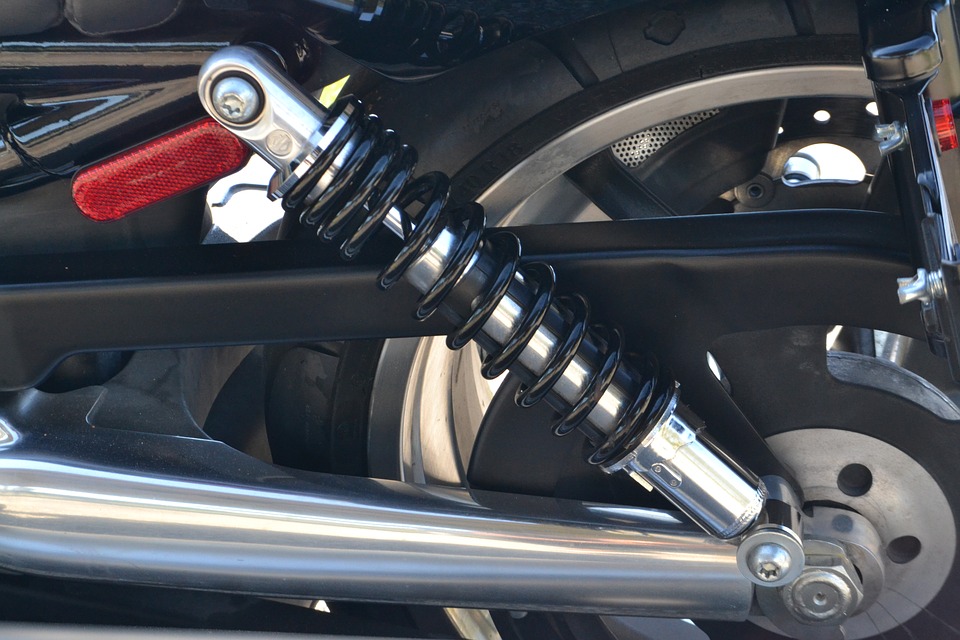
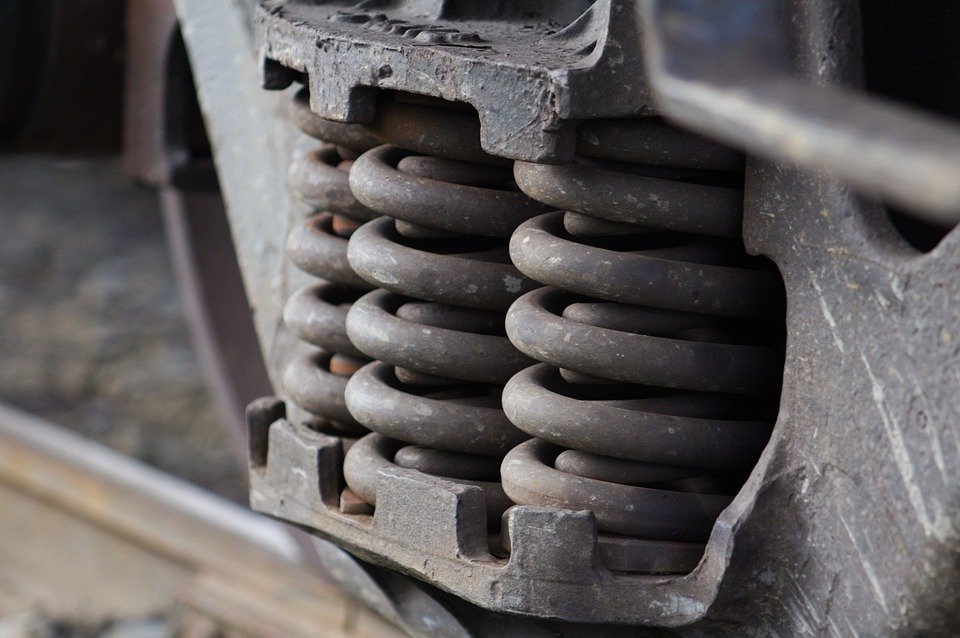 The primary purpose of traveling in a car is for convenience. However, it is advisable to understand that comfort will come with the quality of the ride. That is why you need to ensure that you have quality shock absorbers that will play a vital role in offering the comfort that you need. Also, with these tools, they will ensure that they minimize the overall vehicle movement, especially when riding through imperfect and bumpy roads.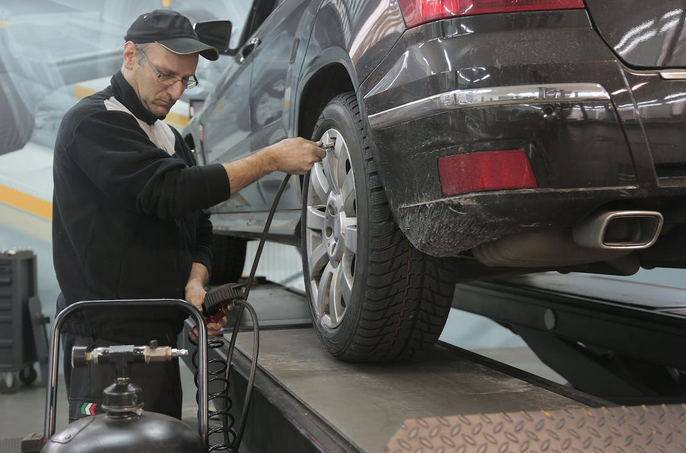
 Lastly, it’s important to mention that properly inflated tires can also help keep you and your passengers safe. When your tires are properly inflated, they provide better traction on the road, which can increase your vehicle’s braking power and overall stability. This improved control can be critical in emergencies and can help save lives.