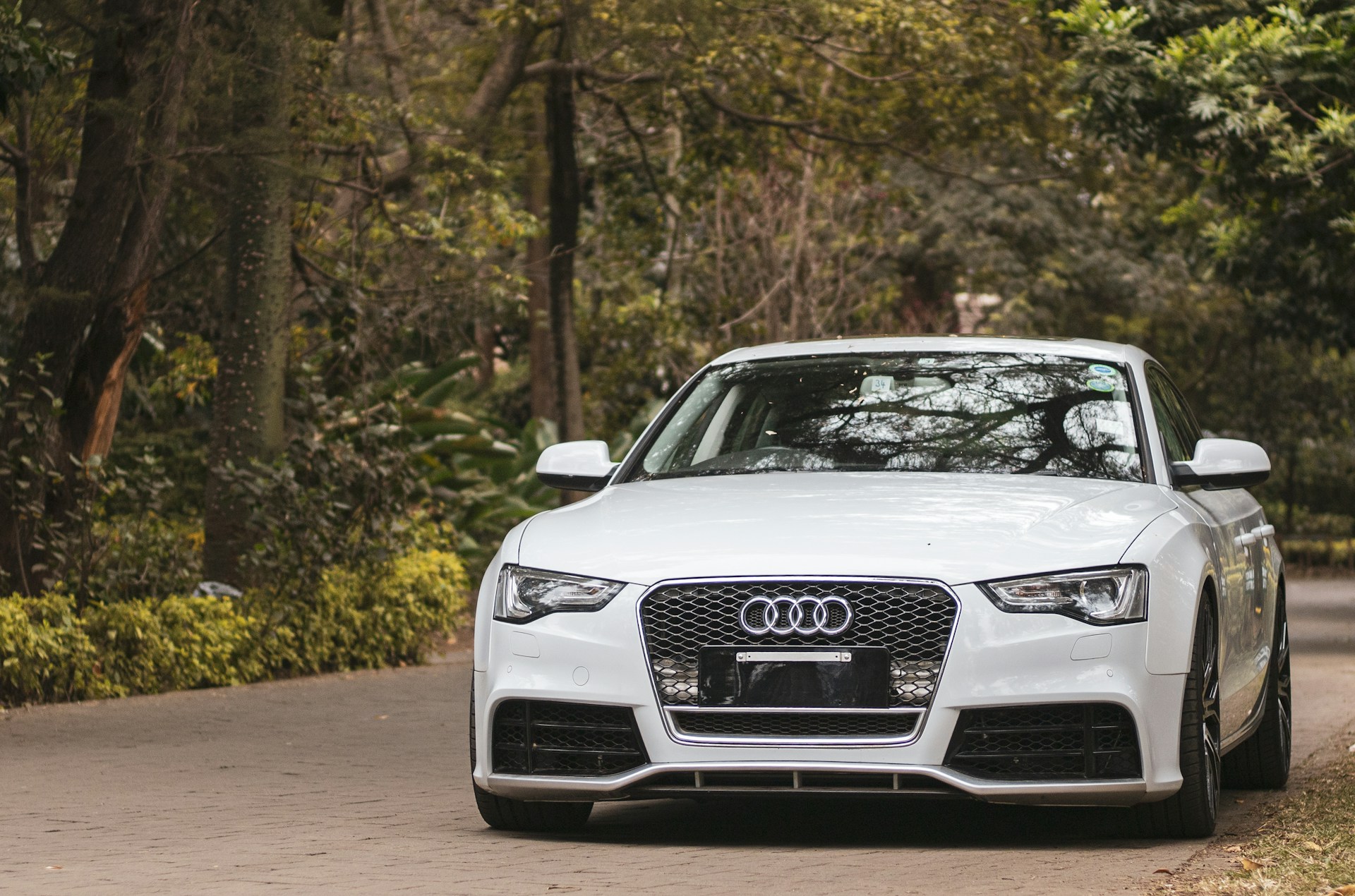
Moto Retro Illustrated Auto What You Need to Do Before Selling Your Car

What You Need to Do Before Selling Your Car

When you’re ready to sell your car, you must do everything possible to get the most money. If you had invested in performance auto parts and regular maintenance, your vehicle would be in excellent condition for sale.

But there are still several things you should do to get the best price for your vehicle. To assist with this process, it’s a great idea to research the current market prices of cars like yours.

Prepare the Vehicle

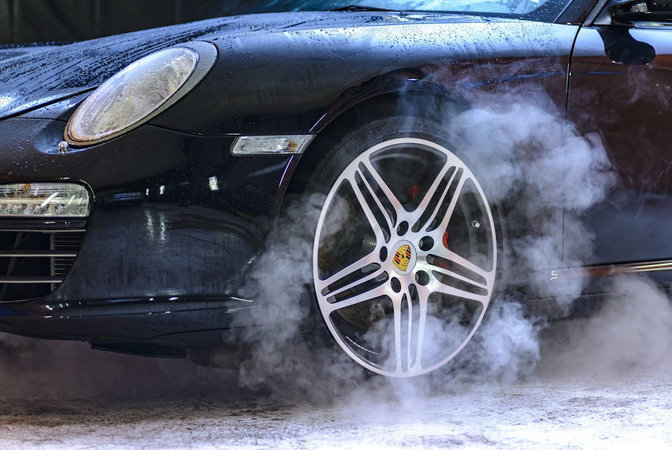
carsOne of the most important steps in getting the most money when you sell your car is to make sure it looks good. Take some time to clean your vehicle’s interior and exterior, so it looks as close to new as possible. If you have any minor damage, such as scratches or dents, consider repairing it or ensuring it is properly covered up.

Gather Documentation

Before you list your car, be sure to gather the necessary documentation that potential buyers will need. This includes paperwork such as the title and registration, a bill of sale, maintenance records, service receipts, and user manuals. It is also helpful to include a vehicle history report.

Set the Right Price
priceSetting the right price is key to getting the most money when you sell your car. Research other similar vehicles that have sold recently to get an idea of what yours is worth. Be sure to factor in any repairs or updates you’ve made that may increase the car’s value.

Choose the Right Listing Platform

There are many different listing platforms available for selling a car, so it’s essential to research them and choose one that is right for you. Consider factors such as fees, reach, convenience and safety when making your decision. Consider looking into listing options such as an online auction or classified ad.

Market the Vehicle

Once you have chosen your listing platform and posted your car, it’s time to market it! Use social media, email campaigns, and other methods of promotion to get people looking at your post. Make sure that any information about the car is accurate and that you have plenty of good photos to show potential buyers.

There are other factors to remember, but the ones above are essential steps to getting the most money when you sell your car. You can also ask your mechanic for advice and tips on how to make the process easier. With some preparation, you can get the most for your car when it comes time to sell.

Related Post

Considerations When Buying a MotorcycleConsiderations When Buying a Motorcycle

Even though many people refrain from riding motorcycles as they believe they are dangerous, the number of motorcycle riders is increasing each year. Buying your first motorbike can be a wonderful experience, but you need to make the right selection. Like cars, motorcycles are rightfully considered as significant investments.

Since you like motorcycles and everything to do with them, you should highly consider visiting website for interesting content about bikes. There are many considerations one needs to make when choosing the right bike for them.

The article will be crucial in ensuring you make the right decision when buying a motorbike. Below are some of the tips you should ensure you consider.

The Brand

BMW motorbikeIt is essential to note that the auto market is currently filled with many bikes from different brands. Even though the brand a bike belongs to may seem irrelevant, it is essential to note that it is crucial. Brands tend to make bikes that are similar in quality and overall performance. With that in mind, you should ensure that you select a motorcycle that belongs to a reputable brand in the automotive industry.

Some of the motorcycle brands that are well established in the industry include Yamaha, Ducati, Kawasaki, Suzuki, BMW, and Honda. Some bike brands are not well known but make decent bikes. The brand will also be crucial in giving you prestige.

The Price

walletIt would help if you also made an effort to consider your financial capabilities before committing to buying a motorcycle. Many people may be surprised that some bikes are considered luxurious and come with a hefty price tag. Most expensive bikes tend to be of high quality, have the latest features, and have high performance.

If you want a reliable bike, you should be willing to increase your budget. Most cheap motorcycles are not as great as they may seem. You should not let the price of a motorcycle overshadow its reliability and performance.

The Reviews

riding motorcycle on roadThe second consideration you should make before buying any motorcycles is checking other people’s opinions. Although some manufacturers may claim that they have made reliable motorbikes, some are not telling the truth.

As you will most likely spend a lot of your money buying a bike, you should ensure that you purchase one worth the price. The internet is filled with both written and video reviews about different motorcycles currently on the market. You should ensure that you buy a motorcycle with good reviews from those who have used them before.

The information in the article will be essential in guiding you into choosing the best motorcycle.

car

Hydroplaning Prevention: Tips to Stay Safe in Wet Weather DrivingHydroplaning Prevention: Tips to Stay Safe in Wet Weather Driving

Picture this: you’re cruising down the road on a rainy day, raindrops pitter-pattering against your windshield. Suddenly, you feel a loss of control as your car starts to slide and drift. It’s an unsettling feeling – hydroplaning. Wet weather driving can be treacherous if you’re not prepared. But fear not. In this blog post, we’ll share some handy tips to keep you safe on such a wet road and prevent hydroplaning.

Maintain Proper Tire Tread Depth and Keep the Tire Well-Inflated

carWhen it comes to preventing hydroplaning, two of the most crucial factors are maintaining proper tire tread depth and keeping your tires well inflated. Why is this so important? Well, let me break it down for you. First off, let’s talk about tire tread depth.

The grooves on your tires are basically designed to properly channel water away from the contact patch between the tire and the road. This helps maintain traction even in wet conditions. Over time, however, these grooves can wear down, reducing their effectiveness. That’s why it’s essential to regularly check your tread depth and replace your tires if they’re worn out.

In addition to tire tread depth, proper inflation is equally vital in wet-weather driving. Underinflated tires have more surface area in contact with the road, which increases the risk of hydroplaning. On the other hand, overinflated tires reduce traction by decreasing the amount of rubber that comes into contact with the road surface.

Reduce Speed in Wet Conditions

Aside from ensuring the good condition of the tires, you also need to keep your speed stable and low. Why? Well, when the roads are wet, there is less traction between your tires and the road surface. This means that it takes longer for your vehicle to stop or maneuver safely. By reducing your speed, you give yourself more time to react and adjust to changing conditions. It also allows for better control of your vehicle as you navigate through puddles or slippery areas. So, next time it’s raining cats and dogs outside, take a deep breath and slow down.

Avoid Sudden Movements

When driving in wet weather conditions, it’s crucial to avoid sudden movements behind the wheel. Why? Well, sudden movements can disrupt the traction between your tires and the road surface, increasing the risk of hydroplaning. First and foremost, resist the urge to slam on your brakes if you need to slow down or stop. In addition, refrain from making quick turns or abrupt lane changes. Moreover, be mindful of how you accelerate in wet conditions. Avoid stomping on the gas pedal, as this could result in a loss of tire grip and potentially send your vehicle into a dangerous slide.

Drive in the Tracks of the Car Ahead

carDid you know that when you follow closely behind another vehicle, your tires have the advantage of utilizing their already-displaced water? What does it mean? This can give awesome assistance in reducing the risk of losing traction and sliding.

But note that this doesn’t mean you should ever tailgate other cars at a little distance. Check out the giovanni’s room summary to get a glimpse of how to do it properly. By driving in these tracks, you essentially benefit from the “paved” path created by the preceding car. The grooves left by their tires allow for better water dispersion, enabling more contact between your own tires and the road surface. However, it’s important to exercise caution when implementing this technique. Keep a safe distance from the vehicle in front to avoid any sudden braking or unexpected maneuvers that may result in an accident. Also, remember that this method is most effective at lower speeds; maintaining an appropriate speed for conditions is essential.

Being aware of the risks associated with hydroplaning is essential for safe driving during wet weather conditions. By keeping these tips in mind and adjusting your driving habits accordingly, you can stay safe on the road even when Mother Nature throws rain showers your way.

car

Self-Driving Cars: How Close Are We Really?Self-Driving Cars: How Close Are We Really?

The idea of a car that drives itself has captured our imagination for decades, from futuristic movies to tech headlines promising a hands-free commute. But how close are we to seeing self-driving cars as a normal part of daily life? While the technology has made remarkable strides, there are still hurdles—technical, legal, and ethical—that determine how soon fully autonomous vehicles will become mainstream. Understanding the current landscape helps us separate hype from reality.

Levels of Autonomy

Autonomous driving isn’t a single step—it’s a spectrum. The Society of Automotive Engineers defines levels from 0 to 5, ranging from no automation to full autonomy. Most cars on the road today fall between Levels 1 and 3, offering features like lane-keeping, adaptive cruise control, and hands-on monitoring. True Level 5 autonomy—vehicles that can operate without human intervention under all conditions—remains the ultimate goal, but it’s still some way off due to the complexity of real-world driving.

Advances in Sensor Technology

Self-driving cars rely on a combination of cameras, radar, lidar, and advanced software to perceive the world around them. Lidar, in particular, creates detailed 3D maps that help the car “see” objects with remarkable precision. Advances in sensor technology and artificial intelligence have made autonomous systems more capable than ever, allowing cars to navigate highways, urban streets, and even complex intersections. However, sensors still struggle in extreme weather or unusual scenarios, highlighting one of the key challenges to full autonomy.

Real-World Testing

white

Companies like Waymo, Tesla, Cruise, and others are testing autonomous vehicles on public roads, logging millions of miles to refine their systems. These tests are crucial for understanding how self-driving cars handle unpredictable traffic, pedestrians, and construction zones. While testing demonstrates progress, it also exposes the limits of current technology. Every accident or unexpected scenario helps engineers improve safety, but it also reminds us that self-driving cars aren’t infallible yet.

Legal and Regulatory Hurdles

Even if the technology were perfect, self-driving cars face a web of legal and regulatory challenges. Governments must create rules governing liability, insurance, and data privacy for autonomous vehicles. Regulations vary widely between countries and even states, complicating the rollout of fully driverless systems. Until legal frameworks catch up with technology, widespread adoption will remain limited, particularly in areas where human-driven and autonomous vehicles share the road.

Public Trust and Adoption

Technology adoption isn’t just about capability—it’s about trust. Surveys suggest many people are hesitant to ride in fully autonomous cars, fearing accidents or system failures. Building confidence will require proven safety records, transparency about decision-making algorithms, and incremental exposure to autonomous systems. Early adoption may occur in controlled environments, like ride-hailing fleets or corporate campuses, before reaching broader consumer markets.

The Road Ahead

The timeline for fully self-driving cars is uncertain. Experts estimate that widespread Level 5 autonomy could take another decade or more, depending on technological breakthroughs, regulatory approvals, and public acceptance. In the meantime, partial automation features will continue improving, making driving safer and more convenient without completely replacing human drivers. The journey to autonomous vehicles is gradual, blending innovation with caution.

Self-driving cars are closer than ever, but we’re not quite at the fully autonomous future imagined in sci-fi films. Progress in sensors, AI, and testing has been impressive, yet challenges remain in technology, law, and public trust. While hands-free commuting may soon become a reality in certain controlled settings, a world of fully autonomous cars sharing the road safely with humans is still a work in progress. Patience, cautious innovation, and smart regulation will shape the road ahead for autonomous driving.