Moto Retro Illustrated Auto The Importance of Properly Inflated Tires

The Importance of Properly Inflated Tires

You might think it doesn’t matter how much air you put in your tires as long as they’re inflated. You would be wrong. Improperly inflated tires can lead to various problems, including decreased fuel efficiency and premature wear on the tires themselves. This blog post will discuss the importance of properly inflated tires and provide tips on how to do it yourself. In addition, you can check this link for reliable auto repair Phoenix area and ensure safety for your road trip.

Preventing Pre-Mature Wear on Tires
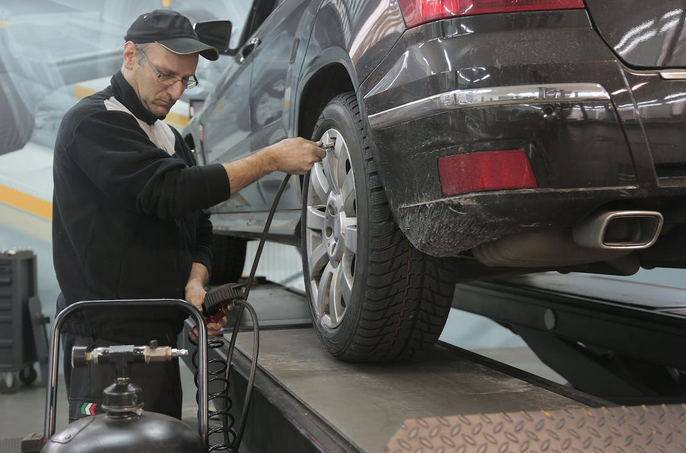
inflate

One of the essential benefits of adequately inflating your tires is preventing premature wear. When tires are under-inflated, the sidewalls become soft and more susceptible to damage from rocks and other debris on the road. This can cause uneven wear on the tread of the tire, resulting in a need for early replacement. On top of that, under-inflated tires can lead to increased fuel consumption due to the extra rolling resistance.

Better Gas Mileage

Another significant benefit of properly inflated tires is the improved gas mileage. When your tires are under-inflated, they require more energy from the engine to move forward. Your car will consume more fuel, and you’ll spend more money at the pump. On top of that, under-inflated tires also increase the vehicle’s drag, decreasing its overall efficiency. Properly inflating your tires can ensure that your engine is using less fuel and getting better gas mileage.

Reduced Toxic Emissions

When your car uses more fuel due to under-inflated tires, it also produces more toxic emissions. These pollutants are released into the atmosphere and can seriously affect our environment. By properly inflating your tires, you can reduce the number of emissions from your vehicle, helping keep our air clean and healthy for everyone.

Better Safety

safe drivingLastly, it’s important to mention that properly inflated tires can also help keep you and your passengers safe. When your tires are properly inflated, they provide better traction on the road, which can increase your vehicle’s braking power and overall stability. This improved control can be critical in emergencies and can help save lives.

In conclusion, proper tire inflation is essential for your vehicle’s performance, safety, and fuel economy. In order to ensure that your tires remain in optimal condition, it is essential to regularly check their pressure and refill them with air as needed. This can be done easily by using a quality tire gauge or visiting your local service center for assistance. You can enjoy the many benefits of properly inflated tires by taking these steps.

Related Post

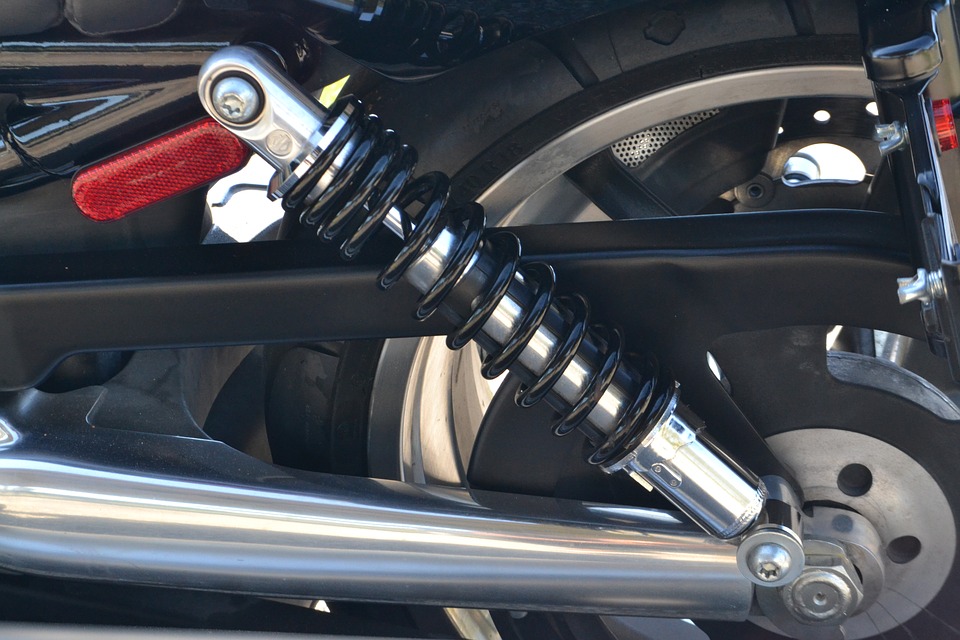
shock absorber

Benefits of Using Quality Shock AbsorbersBenefits of Using Quality Shock Absorbers

When we think of a smooth drive, most people will think of high-performing engines and horsepower. But few individuals out there understand that a powerful engine is much useless without the driver’s ability to drive and control the car. The Fox shocks or shock absorbers absorb the unpleasant effects of unavoidable holes and bumpy roads. Therefore, they enhance the driver’s control over the vehicle, together with the overall comfort of all passengers.

As we have mentioned above, the quality of a good ride comes with the comfort of the trip more, especially when one is riding through bumpy and unpleasant roads. It is essential to note that a car’s suspension system is made of three main components. The shock absorber, spring, and the tires are the elements that we are talking about. These shock absorbers limit the overall body movement of the car, and it also keeps the tires in contact with the road’s surface. Here are the benefits of using quality shock absorbers.

Safety

An excellent shock absorber plays a vital role when it comes to safety. They not only offer comfort, but they also aid in controlling the car when one is driving. Therefore, in case you do not have a good shock absorber, then this will end up affecting the performance of your vehicle. It is your responsibility to ensure that you do not put the passenger’s safety at risk. Have quality shock absorbers that will lead to a smooth drive.

Comfort

shocksThe primary purpose of traveling in a car is for convenience. However, it is advisable to understand that comfort will come with the quality of the ride. That is why you need to ensure that you have quality shock absorbers that will play a vital role in offering the comfort that you need. Also, with these tools, they will ensure that they minimize the overall vehicle movement, especially when riding through imperfect and bumpy roads.

Stability

It is advisable to understand that shock absorbers enhance the friction between car tires and the road. Due to this reason, you will realize that there is increased car stability on the road. Therefore, when you get to ride through flawed streets without these tools, the vertical energy of your car tires will be transferred to the frame of your car and draft away from the way. Therefore, this will put your safety and the car’s performance at risk. These are some of the things you need to consider once you own a car.

mechanic

3 Ways to Find Reliable Car Mechanics and Repair Shops3 Ways to Find Reliable Car Mechanics and Repair Shops

When your car breaks down, it can be a major headache. You have to find a reputable car mechanic who can fix the problem and not charge an arm and a leg. How do you find one of these mechanics? And once you’ve seen them, how do you know that they are reliable? West End Car Mechanics will discuss three ways to find reliable car mechanics and repair shops. Read on to learn more!

Check for Certification

car tiresOne way to determine if a car mechanic is reliable is to check for certification. Many mechanics undergo rigorous training and testing to become certified. This means they have the knowledge and skills necessary to fix your car correctly. A certificate can also indicate how long a mechanic has practiced their trade. You have to ensure that the mechanic is certified by a reputable organization, such as the National Institute for Automotive Service Excellence (ASE). If you are not sure if a mechanic is certified, be sure to ask them. They should be more than happy to show you their certification.

Find a Shop for Your Brand of Car

If you have a particular car brand, it is best to find a mechanic who specializes in that type of car. They will be more familiar with the specific problems and quirks that come with that make and model. You must find a mechanic who is familiar with the brand of your car, as they may not be able to fix it if they are not properly.

Ask About Warranties

garageAnother way to determine if a car mechanic is reliable is to ask about warranties. A good mechanic will stand behind their work and offer a warranty on any repairs that they perform. This gives you peace of mind knowing that they did the repair properly and that you are covered in case of any problems down the road.

It can be tough finding a good, reliable car mechanic. But with these 3 tips, you’re on your way to finding one that’s right for you and your car. Remember that not all mechanics are created equal, so it’s essential to research before taking your car in for service. If you have any questions or need help finding a reputable mechanic in your area, don’t hesitate to reach out to us. We’re here to help! Have you had a great experience with a mechanic that you think we should know about? Let us know in the comments below.

car

Self-Driving Cars: How Close Are We Really?Self-Driving Cars: How Close Are We Really?

The idea of a car that drives itself has captured our imagination for decades, from futuristic movies to tech headlines promising a hands-free commute. But how close are we to seeing self-driving cars as a normal part of daily life? While the technology has made remarkable strides, there are still hurdles—technical, legal, and ethical—that determine how soon fully autonomous vehicles will become mainstream. Understanding the current landscape helps us separate hype from reality.

Levels of Autonomy

Autonomous driving isn’t a single step—it’s a spectrum. The Society of Automotive Engineers defines levels from 0 to 5, ranging from no automation to full autonomy. Most cars on the road today fall between Levels 1 and 3, offering features like lane-keeping, adaptive cruise control, and hands-on monitoring. True Level 5 autonomy—vehicles that can operate without human intervention under all conditions—remains the ultimate goal, but it’s still some way off due to the complexity of real-world driving.

Advances in Sensor Technology

Self-driving cars rely on a combination of cameras, radar, lidar, and advanced software to perceive the world around them. Lidar, in particular, creates detailed 3D maps that help the car “see” objects with remarkable precision. Advances in sensor technology and artificial intelligence have made autonomous systems more capable than ever, allowing cars to navigate highways, urban streets, and even complex intersections. However, sensors still struggle in extreme weather or unusual scenarios, highlighting one of the key challenges to full autonomy.

Real-World Testing

white

Companies like Waymo, Tesla, Cruise, and others are testing autonomous vehicles on public roads, logging millions of miles to refine their systems. These tests are crucial for understanding how self-driving cars handle unpredictable traffic, pedestrians, and construction zones. While testing demonstrates progress, it also exposes the limits of current technology. Every accident or unexpected scenario helps engineers improve safety, but it also reminds us that self-driving cars aren’t infallible yet.

Legal and Regulatory Hurdles

Even if the technology were perfect, self-driving cars face a web of legal and regulatory challenges. Governments must create rules governing liability, insurance, and data privacy for autonomous vehicles. Regulations vary widely between countries and even states, complicating the rollout of fully driverless systems. Until legal frameworks catch up with technology, widespread adoption will remain limited, particularly in areas where human-driven and autonomous vehicles share the road.

Public Trust and Adoption

Technology adoption isn’t just about capability—it’s about trust. Surveys suggest many people are hesitant to ride in fully autonomous cars, fearing accidents or system failures. Building confidence will require proven safety records, transparency about decision-making algorithms, and incremental exposure to autonomous systems. Early adoption may occur in controlled environments, like ride-hailing fleets or corporate campuses, before reaching broader consumer markets.

The Road Ahead

The timeline for fully self-driving cars is uncertain. Experts estimate that widespread Level 5 autonomy could take another decade or more, depending on technological breakthroughs, regulatory approvals, and public acceptance. In the meantime, partial automation features will continue improving, making driving safer and more convenient without completely replacing human drivers. The journey to autonomous vehicles is gradual, blending innovation with caution.

Self-driving cars are closer than ever, but we’re not quite at the fully autonomous future imagined in sci-fi films. Progress in sensors, AI, and testing has been impressive, yet challenges remain in technology, law, and public trust. While hands-free commuting may soon become a reality in certain controlled settings, a world of fully autonomous cars sharing the road safely with humans is still a work in progress. Patience, cautious innovation, and smart regulation will shape the road ahead for autonomous driving.