Moto Retro Illustrated Auto Essential Safety Riding Tips for Food Delivery Drivers on the Road

Essential Safety Riding Tips for Food Delivery Drivers on the Road

foodora

Are you a food delivery driver zipping through busy streets to bring meals to hungry customers? While the job can be rewarding, especially for those who love the thrill of being on the road, it also comes with its fair share of risks. It’s not about the food you’re delivering, but the act of driving itself that puts you in danger.  In fact, did you know that in Uber Eats, 60% of accidents occur during food delivery? This is according to a recent study by the University of Chicago and Rice University. To ensure your safety as a food delivery driver, keep reading to learn some essential safety tips to keep in mind.

Secure Your Vehicle When Parking
Secure Your Vehicle When ParkingWhen making multiple food deliveries throughout your shift, it’s crucial to secure your vehicle when parking. Always keep your car doors 100% locked and windows rolled up to prevent any unwanted access.

Consider getting a steering wheel lock or an alarm system for added security measures. If you need to leave your vehicle unattended, choose well-lit and safe parking areas. Avoid dark alleys or secluded spots that could put you at risk of theft or vandalism. It’s always better to park in busy areas where there is more foot traffic and visibility. Also, remember to always remove any valuable items from plain sight inside the car.

Use Well-Lit Routes

Ensuring your safety as a food delivery driver is paramount, especially when navigating through unfamiliar neighborhoods and dimly lit areas. Using well-lit routes can significantly reduce the risk of encountering potential dangers on the road. Opting for well-lit streets not only enhances your visibility but also allows you to spot any potential hazards in advance. By choosing illuminated paths, you not only safeguard yourself but also protect the precious cargo you’re transporting. Dark alleys or poorly lit streets could pose threats not just to your personal safety but also to the timely delivery of meals. So, do your best to prioritize your safety by selecting brightly lit roads whenever possible.

Sign Up for Pay As You Go Food Delivery Insurance

Sign Up for Pay As You Go Food Delivery InsuranceWhen you’re out on the road delivering food orders, unexpected incidents can happen. That’s why it’s crucial to protect yourself and your vehicle with insurance specifically designed for food delivery drivers.

Pay As You Go Food Delivery Insurance offers flexibility by allowing you to pay only for the coverage you need when working. If you have drivers to deliver foods for your F&B business, signing up for this type of insurance will make sure your drivers are insured to deliver food. If you’re the driver yourself, this will provide peace of mind, knowing that you are covered in case of accidents or other mishaps while on duty. It ensures that both you and your vehicle are protected financially, saving you from potential heavy repairs or medical bills if something were to go wrong during a delivery.

Drive Defensively

When it comes to being a food delivery driver, driving defensively is key. Defensive driving means staying alert and prepared for any unwanted, unexpected situations that may arise on the road. Anticipating and predicting every action of other drivers and reacting proactively to avoid potential accidents is the best way to drive defensively. The next aspect of defensive driving is maintaining a safe following distance from the vehicle in front of you. This gives you more time to react if they suddenly brake or make a sudden maneuver. Remember, it’s better to arrive a few minutes late than risk getting into an accident by tailgating. By securing your vehicle when parking, using well-lit routes, signing up for pay as you go food delivery insurance, and driving defensively, you can help ensure a safer working environment for yourself. Remember that being proactive about safety not only protects you but also those around you.
Related Post

Things to Remember When Choosing Ford AccessoriesThings to Remember When Choosing Ford Accessories

When it comes to choosing car accessories, there are a lot of options. From floor mats to shades, the choices seem endless. When choosing car accessories, you should keep some things in mind to not regret them. Below are some things to remember when choosing Ford accessories.

Purchase Official Accessories

carThe first thing to think about when shopping for car accessories is whether or not they are official. The answer isn’t always clear, but the rule of thumb here is, “If it’s branded with your model logo, then it should work.” For example, you can buy official Ford floor mats that are branded with the logo. These have been designed to be a perfect fit for your car. Unofficial accessories aren’t always going to work as well because they haven’t been custom-designed for your make and model of vehicle.
Select Plastic Car Accessories

If you’re looking for Ford accessories made of plastic, it’s important to be careful about which ones you choose. There can sometimes be a difference between the name and what they do. For example, there is another kind of floor mat out there called “carpeted mats.” These kinds have an upper layer of carpet, but they may also work like mud mats because the bottom is made up of plastic instead of rubber or some other material that can grip your floor. It’s easy for them to slide around, which isn’t ideal if you’re driving on wet roads.

Choose Based on Vehicle’s Specifications

It would help if you always did your research before choosing any accessory for your car. You’ll want to look into what kinds are compatible with the make and model of your vehicle and how many passengers it can hold. For example, if you’re buying something like a back cover for your car, you don’t want to buy it if it can only fit three passengers. You’ll end up sitting on the back of a seat that isn’t safe at all.


Buy Accessories According to Your Budget

One more thing to consider when buying Ford accessories is how much you’re willing to spend. If budget isn’t an issue, then it’s easy enough to go ahead and buy whatever your heart desires! However, if money is a concern for you, there are still plenty of affordable options. You don’t have to go to the auto parts store and buy the most expensive accessories you can find.

You’ve decided to purchase a new Ford vehicle. Now, it’s time to think about how you want your car customized with accessories. There are so many options available that it can be difficult to know which ones will work best for you. We at White Card have compiled this list of things to remember when choosing auto accessories for your Ford vehicle to help make this process easier and more enjoyable.

classic cars

Top Four Iconic Cars That Rocked the Big Screen: Automotive LegendsTop Four Iconic Cars That Rocked the Big Screen: Automotive Legends

When it comes to iconic movies, there is often a vehicle that steals the spotlight and captures our hearts. From time-traveling DeLoreans to sleek Aston Martins with hidden gadgets, even from a powerful beast of Ford Mustang to Mazda Protegé seen in this incredibly loud and extremely close featured page, these automotive legends have become as memorable as the characters themselves. Now, read on and get ready for a journey through cinematic history as we explore the top four iconic cars that rocked the big screen.

DeLorean DMC-12 (Back to the Future)

This sleek silver sports car became an instant pop culture phenomenon when it made its appearance in the iconic movie “Back to the Future.” With its gull-wing doors, futuristic design, and stainless steel body, the DeLorean captured our imaginations and transported us to a world of excitement. But it wasn’t just the car’s striking appearance that grabbed our attention. Equipped with a flux capacitor and powered by plutonium or lightning strikes, this vehicle could reach unimaginable speeds and take us on thrilling journeys through time. Who can forget Doc Brown shouting those famous words: “Where we’re going, we don’t need roads!”

The DeLorean DMC-12 perfectly embodied both style and innovation. It symbolized aspiration – representing the dreams of traveling through time and experiencing new adventures. Its timeless appeal continues to captivate audiences today, even though production of this iconic car ended shortly after its big-screen debut.

1968 Ford Mustang GT Fastback

ford

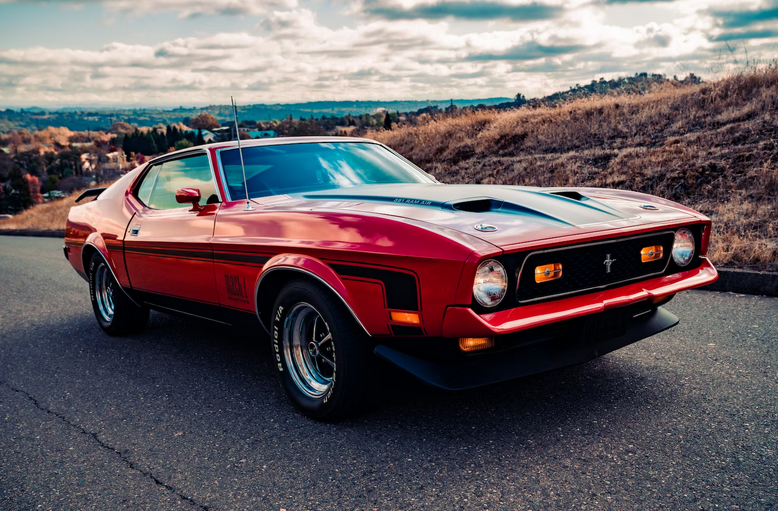
When it comes to iconic cars, the 1968 Ford Mustang GT Fastback is undoubtedly a legend in its own right. With its sleek design and powerful performance, this beauty has captured the hearts of car enthusiasts for decades. One look at this classic American muscle car, and you can’t help but be captivated by its timeless appeal. The aggressive lines, bold grille, and signature fastback roofline give the Mustang GT an unmistakable presence on the road. It’s no wonder that it became an instant symbol of coolness and rebellion.

But it’s not just about looks with this legendary automobile. Under the hood lies a beast waiting to be unleashed – a potent V8 engine that delivers exhilarating speed and power. Whether you’re cruising down the highway or revving up at a race track, the Mustang GT Fastback will never disappoint.

Aston Martin DB5 (James Bond Franchise)

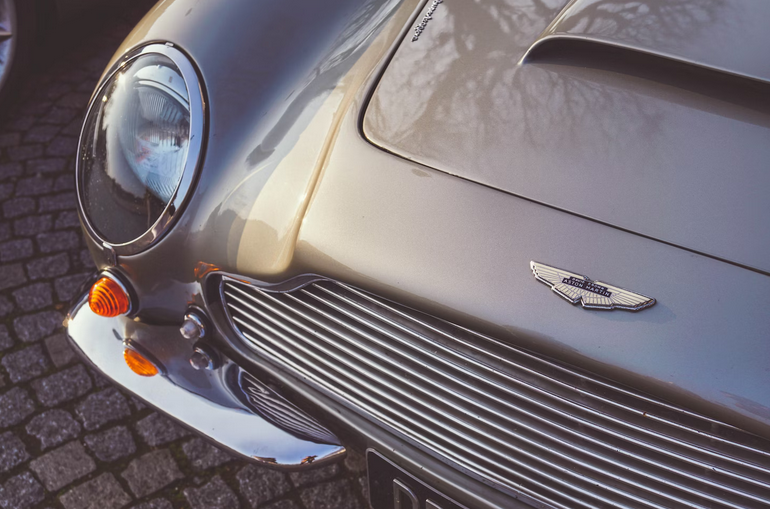
The Aston Martin DB5 is undoubtedly one of the most iconic cars in cinematic history. Its sleek and sophisticated design perfectly embodies the elegance and class that James Bond exudes. From its debut in “Goldfinger” to its recent appearance in “Skyfall,” this legendary vehicle has become synonymous with the famous spy. With its powerful engine, advanced gadgets, and bulletproof shield, the Aston Martin DB5 represents the epitome of luxury and adventure.

Whether it’s racing through narrow streets or engaging in high-speed chases, this car never fails to leave a lasting impression on audiences. But it’s not just about speed and style – the Aston Martin DB5 also symbolizes innovation. Equipped with state-of-the-art technology like radar tracking devices, oil slick dispensers, and revolving license plates, this vehicle showcases Bond’s resourcefulness in every mission.

aston martin

1970 Dodge Charger (The Fast and the Furious)

The 1970 Dodge Charger, also known as the “General Lee,” is a true automotive icon that made its mark in the movie industry through its appearance in “The Fast and the Furious” franchise. This classic American muscle car exudes power and charisma, capturing the hearts of car enthusiasts around the world. Underneath that impressive exterior lies a beastly engine – a V8 powerhouse that roars to life at every press of the accelerator pedal. The raw power generated by this machine is enough to send shivers down your spine.

But it’s not just about speed; it’s about style, too. From its bold front grille to its muscular rear end, every inch of this masterpiece oozes confidence and charm. It’s no wonder why Dom Toretto chose this car as his ride of choice in “The Fast and the Furious.”

car

Self-Driving Cars: How Close Are We Really?Self-Driving Cars: How Close Are We Really?

The idea of a car that drives itself has captured our imagination for decades, from futuristic movies to tech headlines promising a hands-free commute. But how close are we to seeing self-driving cars as a normal part of daily life? While the technology has made remarkable strides, there are still hurdles—technical, legal, and ethical—that determine how soon fully autonomous vehicles will become mainstream. Understanding the current landscape helps us separate hype from reality.

Levels of Autonomy

Autonomous driving isn’t a single step—it’s a spectrum. The Society of Automotive Engineers defines levels from 0 to 5, ranging from no automation to full autonomy. Most cars on the road today fall between Levels 1 and 3, offering features like lane-keeping, adaptive cruise control, and hands-on monitoring. True Level 5 autonomy—vehicles that can operate without human intervention under all conditions—remains the ultimate goal, but it’s still some way off due to the complexity of real-world driving.

Advances in Sensor Technology

Self-driving cars rely on a combination of cameras, radar, lidar, and advanced software to perceive the world around them. Lidar, in particular, creates detailed 3D maps that help the car “see” objects with remarkable precision. Advances in sensor technology and artificial intelligence have made autonomous systems more capable than ever, allowing cars to navigate highways, urban streets, and even complex intersections. However, sensors still struggle in extreme weather or unusual scenarios, highlighting one of the key challenges to full autonomy.

Real-World Testing

white

Companies like Waymo, Tesla, Cruise, and others are testing autonomous vehicles on public roads, logging millions of miles to refine their systems. These tests are crucial for understanding how self-driving cars handle unpredictable traffic, pedestrians, and construction zones. While testing demonstrates progress, it also exposes the limits of current technology. Every accident or unexpected scenario helps engineers improve safety, but it also reminds us that self-driving cars aren’t infallible yet.

Legal and Regulatory Hurdles

Even if the technology were perfect, self-driving cars face a web of legal and regulatory challenges. Governments must create rules governing liability, insurance, and data privacy for autonomous vehicles. Regulations vary widely between countries and even states, complicating the rollout of fully driverless systems. Until legal frameworks catch up with technology, widespread adoption will remain limited, particularly in areas where human-driven and autonomous vehicles share the road.

Public Trust and Adoption

Technology adoption isn’t just about capability—it’s about trust. Surveys suggest many people are hesitant to ride in fully autonomous cars, fearing accidents or system failures. Building confidence will require proven safety records, transparency about decision-making algorithms, and incremental exposure to autonomous systems. Early adoption may occur in controlled environments, like ride-hailing fleets or corporate campuses, before reaching broader consumer markets.

The Road Ahead

The timeline for fully self-driving cars is uncertain. Experts estimate that widespread Level 5 autonomy could take another decade or more, depending on technological breakthroughs, regulatory approvals, and public acceptance. In the meantime, partial automation features will continue improving, making driving safer and more convenient without completely replacing human drivers. The journey to autonomous vehicles is gradual, blending innovation with caution.

Self-driving cars are closer than ever, but we’re not quite at the fully autonomous future imagined in sci-fi films. Progress in sensors, AI, and testing has been impressive, yet challenges remain in technology, law, and public trust. While hands-free commuting may soon become a reality in certain controlled settings, a world of fully autonomous cars sharing the road safely with humans is still a work in progress. Patience, cautious innovation, and smart regulation will shape the road ahead for autonomous driving.